When the Screen Is Not Enough: Understanding the Real Diagnostic Limits of Late-Night Telehealth
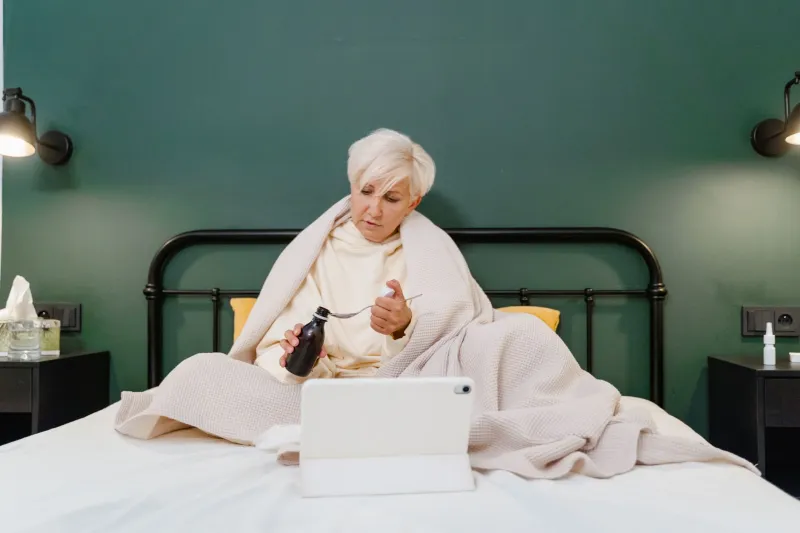
At 1:47 AM on a Tuesday, a 34-year-old teacher in suburban Ohio logged into a telehealth platform with a sore throat, mild fever, and what she described as difficulty swallowing. The provider — a licensed nurse practitioner working a night shift — assessed her symptoms, concluded the presentation was consistent with viral pharyngitis, and recommended rest, hydration, and over-the-counter pain relief. It was a reasonable clinical judgment based on the available information.
Five days later, her primary care physician examined her in person and discovered a peritonsillar abscess — a potentially serious infection that, left untreated, can compromise the airway. The midnight call had not been negligent. It had simply been limited in ways neither patient nor provider fully appreciated at the time.
This is the telehealth paradox: a system designed to remove barriers to care can, under specific circumstances, quietly construct new ones.
The Promise — and the Architecture — of After-Hours Virtual Care
Telehealth adoption accelerated dramatically during the COVID-19 pandemic, and it has remained a cornerstone of American healthcare delivery ever since. According to the American Medical Association, millions of US patients now use virtual platforms for everything from prescription refills to urgent symptom evaluation. For after-hours care in particular, telehealth fills a genuine void — one that previously sent patients either to expensive emergency rooms or left them sleepless and anxious until morning office hours resumed.
The platform at 2 AM is real. The licensed clinician on the other end of the connection is real. And for a substantial range of conditions — urinary tract infections, allergic reactions without respiratory compromise, uncomplicated skin rashes, medication questions, and mental health check-ins — virtual care performs admirably regardless of the hour.
But the architecture of a telehealth visit contains structural gaps that become more pronounced after dark, when both patient and provider are operating under conditions that in-person medicine simply does not share.
What the Camera Cannot See — and Why Darkness Makes It Worse
Physical examination is the foundation of clinical medicine. A physician listening to lung sounds, palpating an abdomen, assessing lymph node enlargement, or observing the subtle asymmetry of a facial droop is gathering data that no camera can replicate. This is not a technology failure — it is an anatomical one. The stethoscope, the otoscope, the reflex hammer, and the trained hand each access dimensions of the body that video simply cannot reach.
Night introduces an additional layer of diagnostic interference. Bedroom lighting — typically warm, dim, and directional — distorts skin tone in ways that matter clinically. A rash that appears faintly pink on a smartphone camera in low light may be a vivid, spreading erythema in person. Jaundice, cyanosis, and pallor — three findings with significant diagnostic weight — are notoriously difficult to assess through a screen under poor lighting conditions. Pupil reactivity, one of the first neurological checks a provider might perform when a patient reports sudden severe headache, is essentially unevaluable in a virtual setting.
There is also the question of the patient's own perceptual accuracy. A person who is genuinely unwell, fatigued, or anxious at midnight is not always the most reliable narrator of their own symptoms. They may underreport, overreport, or simply lack the vocabulary to describe what their body is doing in ways a remote clinician can act upon.
The Diagnostic Blind Spots That Emerge After Midnight
Certain clinical presentations carry elevated risk in a telehealth environment. These are not rare edge cases — they are conditions that present commonly and can mimic lower-acuity illnesses in their early stages.
Cardiac events in atypical presentation. Women, diabetic patients, and older adults frequently experience myocardial infarction without classic chest pain. Fatigue, nausea, jaw discomfort, or vague upper-body pressure may be the only symptoms reported. Without an ECG or the ability to assess diaphoresis and skin color accurately, a midnight virtual visit may not capture the full picture.
Abdominal emergencies. Appendicitis, ovarian torsion, and bowel obstruction all begin with symptoms — nausea, cramping, localized pain — that overlap substantially with benign gastrointestinal complaints. Rebound tenderness, guarding, and the precise localization of pain on palpation are findings that require physical presence.
Neurological symptoms. Sudden severe headache, unilateral weakness, speech changes, and visual disturbances demand immediate in-person or emergency evaluation. The FAST stroke protocol (Face drooping, Arm weakness, Speech difficulty, Time to call 911) cannot be reliably administered through a pixelated video call.
Pediatric assessment. Children, particularly infants and toddlers, are notoriously difficult to evaluate remotely. Work of breathing, fontanelle assessment, hydration status, and the quality of a child's cry are clinical signals that require direct observation.
A Framework for Deciding When Virtual Care Is Genuinely Sufficient
None of this is an argument against telehealth. It is an argument for informed use. The following framework can help US patients make better decisions about when a midnight virtual visit is appropriate and when it is not.
Virtual care is well-suited for:
- Symptoms that are clearly mild, have been present for more than 24 hours without worsening, and have a straightforward clinical history
- Prescription refills for established, stable conditions
- Mental health support, including anxiety management and crisis de-escalation
- Follow-up questions about a recent in-person diagnosis
- Guidance on whether a symptom warrants emergency care — essentially, using telehealth as a triage tool rather than a diagnostic one
Consider in-person or emergency evaluation when:
- Symptoms are sudden in onset, severe, or rapidly worsening
- Pain is localized to the chest, abdomen, or head with unusual intensity
- Neurological changes of any kind are present
- The patient is a child under two years of age
- Skin changes are widespread, blistering, or accompanied by systemic symptoms
- The provider on the virtual call recommends it — a recommendation that should always be taken seriously
How to Get More From a Late-Night Virtual Visit
For situations where telehealth is the appropriate choice, a few practical steps can meaningfully improve the quality of the consultation.
Lighting matters more than most patients realize. Before connecting, position a lamp or bright overhead light directly in front of you — not behind you. This allows the provider to assess skin color, facial symmetry, and visible symptoms far more accurately.
Prepare a concise symptom narrative before the call. Note the time of onset, any changes in severity, associated symptoms, relevant medical history, and all current medications including supplements. Clinicians working after-hours often handle high call volumes; a clear, organized patient history allows them to focus their limited assessment time on the most clinically relevant questions.
Request documentation of the encounter and ask explicitly what symptoms would warrant escalation to in-person care. A responsible telehealth provider will always offer a safety net — a clear description of the warning signs that should prompt a visit to an urgent care center or emergency department.
And if something feels unresolved after a virtual visit, trust that instinct. The Ohio teacher's follow-up appointment was not a failure of the telehealth system — it was the system working correctly, with in-person care completing what virtual care had appropriately begun.
The Informed Patient Is the Protected Patient
Healthcare 24Hrs exists because medical questions do not observe business hours. Neither do medical emergencies. The goal of after-hours care — virtual or otherwise — is not to replace the full clinical encounter but to extend access to qualified guidance during the hours when options are fewest.
Understanding the boundaries of that guidance is not cynicism. It is clinical literacy. And in a healthcare landscape where a video call is often the first point of contact at midnight, knowing what that call can and cannot do may be among the most protective pieces of health knowledge an American patient can carry.