Healthcare 24Hrs Your Health, Answered Anytime Day or Night

Healthcare 24Hrs

Your Health, Answered Anytime Day or Night

Latest Articles

Same Symptom, Different Hour: What the Timing of Your Pain Is Actually Telling Your Doctor
Preventive Health & Lifestyle

Same Symptom, Different Hour: What the Timing of Your Pain Is Actually Telling Your Doctor

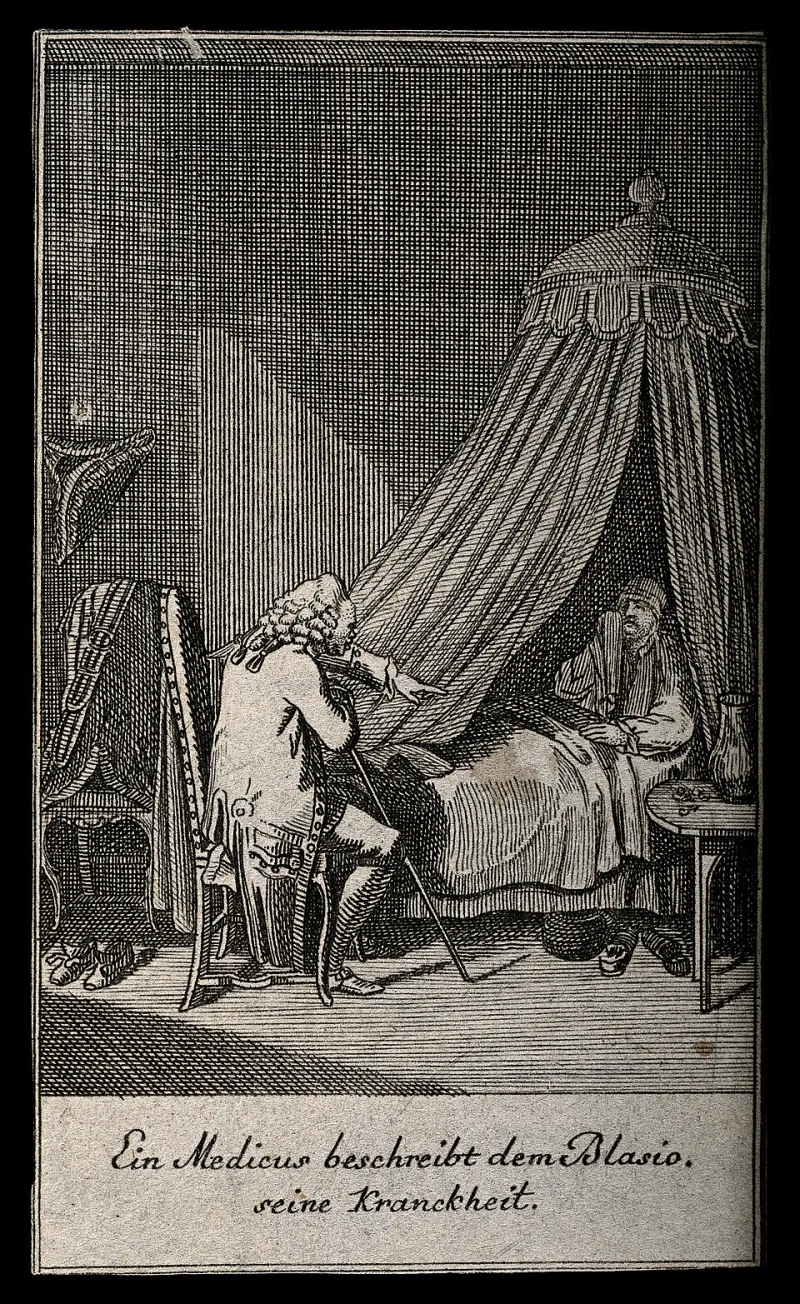
A headache at two in the afternoon and a headache at two in the morning may share a name but rarely share a cause. Understanding how your body's internal clock shapes the way symptoms appear — and learning to document them precisely — can transform the quality of care you receive, whether you're sitting in a physician's office or connecting with a telehealth provider at midnight.

Does Your Medicine Cabinet Know What Time It Is? The Science of When OTC Drugs Actually Work
Preventive Health & Lifestyle

Does Your Medicine Cabinet Know What Time It Is? The Science of When OTC Drugs Actually Work

Not all over-the-counter medications perform equally at every hour of the day. Emerging research into chronopharmacology reveals that your body's internal clock can significantly amplify—or undermine—the effectiveness of common remedies like antihistamines, pain relievers, and sleep aids. Understanding when to take what could be one of the most practical health decisions you make.

Timing Is Everything: How the Clock on Your Wall Could Be Sabotaging Your Medication
Preventive Health & Lifestyle

Timing Is Everything: How the Clock on Your Wall Could Be Sabotaging Your Medication

Most Americans focus on what medications they take, but mounting evidence suggests that when they take them may be equally critical. From blood pressure drugs to common antibiotics, the body's internal clock determines how effectively — or how dangerously — a medication performs. Understanding chronopharmacology could be one of the most important steps you take toward safer, more effective treatment.

Why 3 AM Is the Hardest Hour: The Science Behind Nighttime Symptom Spikes
Mental Health & Wellness

Why 3 AM Is the Hardest Hour: The Science Behind Nighttime Symptom Spikes

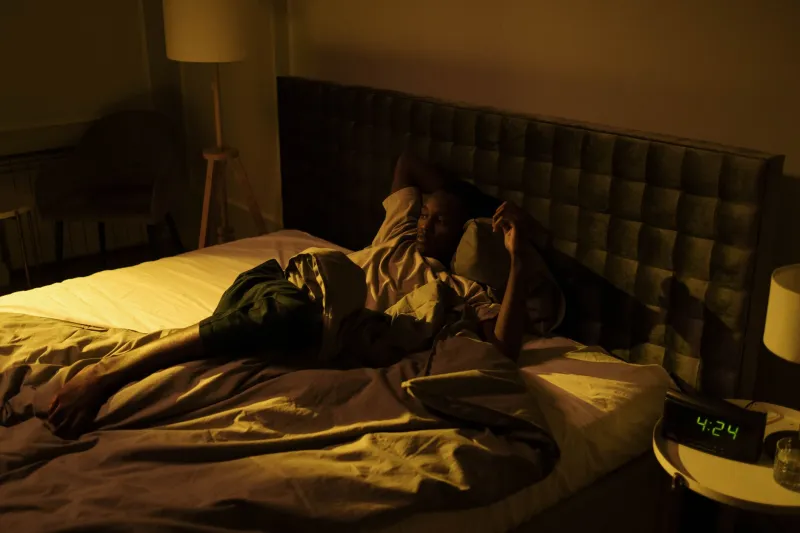
If you have ever found yourself convinced at 3 AM that a mild headache is something far more serious, you are not imagining things — your body's internal clock is working against you. Circadian biology creates measurable physiological shifts in the overnight hours that genuinely amplify pain, anxiety, and inflammation. Understanding the science behind this phenomenon can help you make clearer decisions and find real relief when medical offices are closed and the night feels longest.

Polypharmacy in the Dark: How Undetected Drug Interactions Become Nighttime Emergencies
Preventive Health & Lifestyle

Polypharmacy in the Dark: How Undetected Drug Interactions Become Nighttime Emergencies

Millions of Americans take multiple medications daily without realizing that certain combinations can trigger dangerous—sometimes life-threatening—reactions. Understanding how prescription drugs, supplements, and over-the-counter products interact is one of the most undervalued forms of preventive care. This guide offers practical steps to audit your medications, communicate your full regimen to providers, and stay protected around the clock.

When Night Becomes the Symptom: Decoding the Body's After-Dark Alarms
Mental Health & Wellness

When Night Becomes the Symptom: Decoding the Body's After-Dark Alarms

Waking at 2 AM drenched in sweat, heart pounding, with a sense that something is deeply wrong is one of the most disorienting experiences a person can have. While these episodes are often benign, they occasionally signal conditions that require prompt medical evaluation. This article unpacks the physiology behind the body's nocturnal alarm system and helps readers distinguish between symptoms that can safely wait until morning and those that cannot.

Mental Health & Wellness

Symptom Searching After Midnight: Why the Internet Makes You Sicker and What Actually Helps

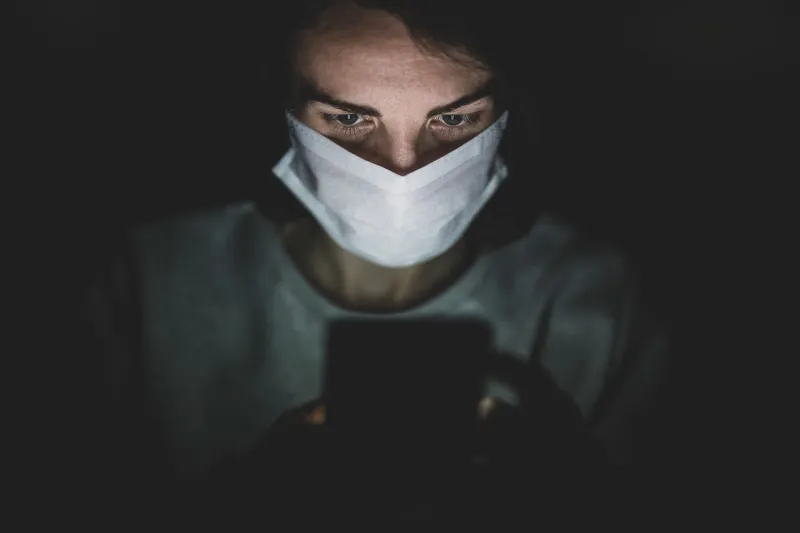
Typing your symptoms into a search engine at 3 AM rarely ends with reassurance — it almost always ends with a worst-case diagnosis you cannot stop thinking about. Understanding why the late-night health spiral happens, and knowing exactly what to do instead, can protect both your peace of mind and your physical wellbeing.

Preventive Health & Lifestyle

The Price of Running on Empty: How Chronic Sleep Loss Is Quietly Undermining American Health

Millions of Americans treat insufficient sleep as an unavoidable cost of modern life — a trade-off made for careers, caregiving, and ambition. The medical evidence increasingly tells a different story, one in which accumulated sleep debt functions less like a minor inconvenience and more like a slow-moving chronic disease risk factor with consequences that extend across nearly every system in the body.

Before You Open That Box at 2 AM: The Truth About Taking OTC Medications at Night
Preventive Health & Lifestyle

Before You Open That Box at 2 AM: The Truth About Taking OTC Medications at Night

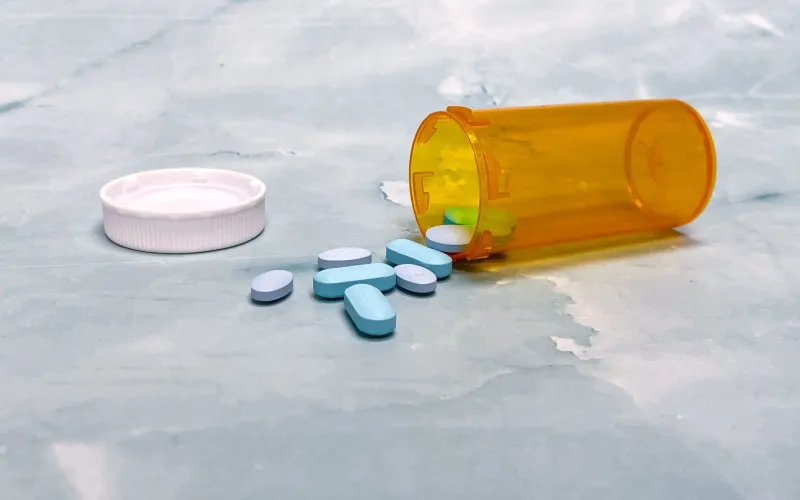
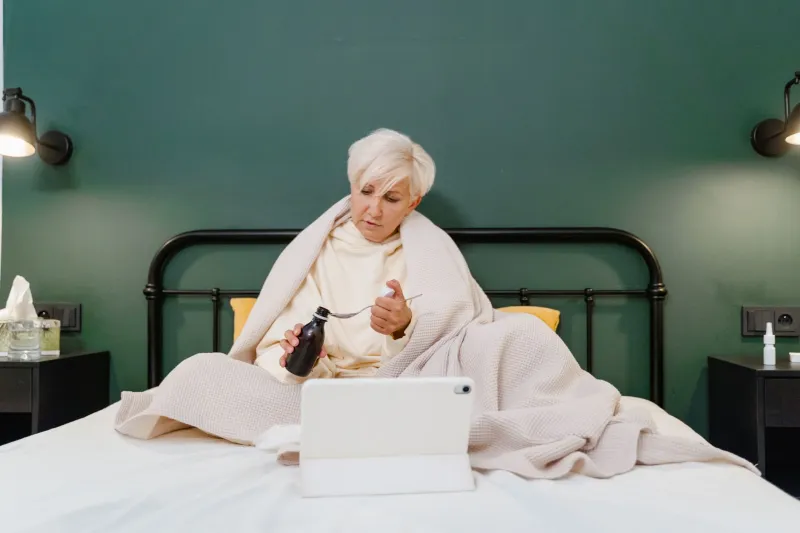
Reaching for an over-the-counter remedy in the middle of the night feels instinctive, but the timing of when you take common medications can significantly affect how your body responds. From antihistamines that deepen drowsiness to pain relievers that may disrupt your sleep architecture, nighttime dosing deserves more consideration than most Americans give it. This guide breaks down what you should know before that late-night pharmacy run.

Your Doctor Is Asleep — But These Licensed Providers Aren't: Navigating Telehealth After Hours
Mental Health & Wellness

Your Doctor Is Asleep — But These Licensed Providers Aren't: Navigating Telehealth After Hours

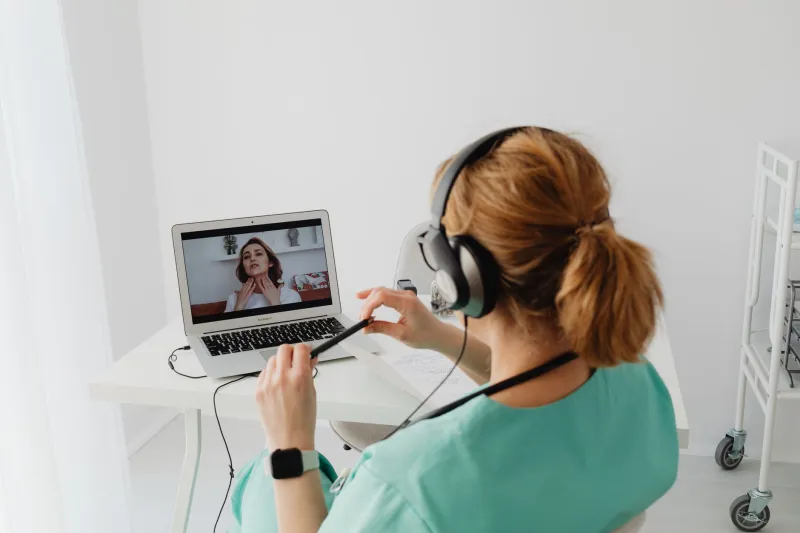
When a health concern arises at 11 PM on a Sunday, most Americans face a frustrating gap between their symptoms and their options. The good news is that the telemedicine landscape has expanded dramatically, offering licensed providers available at virtually any hour — but knowing how to access them efficiently, what your insurance will actually cover, and which conditions are genuinely suited to a virtual visit can mean the difference between fast relief and a costly misstep.

Mental Health & Wellness

Working Against the Clock: The Hidden Health Toll of Shift Work and How Night-Shift Americans Can Protect Themselves

For the estimated 15 million Americans who work nights, rotating shifts, or irregular hours, the human body pays a steep biological price. From disrupted sleep architecture to elevated risks of metabolic disease and depression, shift work carries consequences that go far beyond fatigue — and the science now offers targeted strategies to fight back.

Preventive Health & Lifestyle

ER or Wait Until Morning? A Practical Nighttime Triage Guide for Every American Household

At 2 AM, a sudden symptom can feel catastrophic — but not every health concern warrants an emergency room visit. This guide walks you through the key indicators that separate true medical emergencies from conditions that can safely wait for your primary care physician, helping you make smarter, more confident decisions at any hour.

Mental Health & Wellness

Wired and Worried at 3 AM: Understanding Nighttime Health Anxiety and How to Regain Control

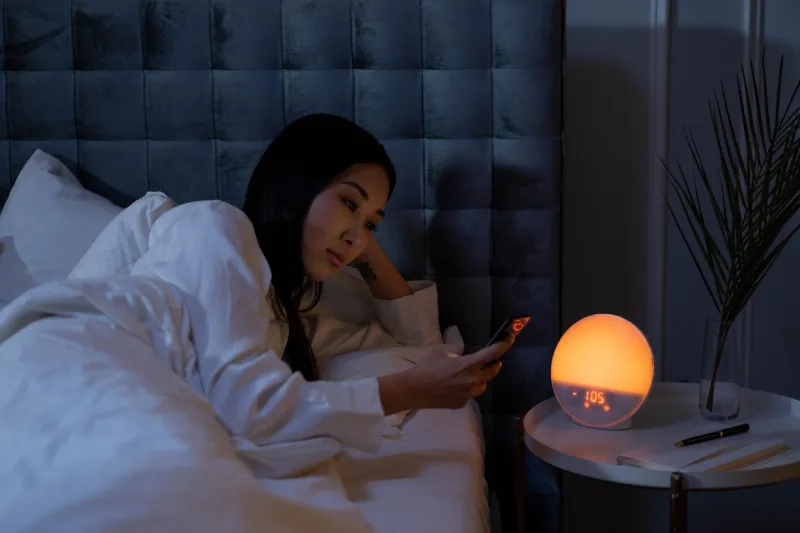
Millions of Americans find themselves wide awake in the early hours, convinced that a headache is a tumor or that chest tightness signals a heart attack. Nighttime health anxiety is a real and well-documented phenomenon rooted in both biology and psychology. Here is what is actually happening in your body at 3 AM — and what you can do about it right now.

12 Evidence-Based Micro-Habits Any American Can Start Today — No Matter What Time It Is
Preventive Health & Lifestyle

12 Evidence-Based Micro-Habits Any American Can Start Today — No Matter What Time It Is

Sustainable wellness does not require a 5 AM wake-up call, a juice cleanse, or a gym membership. These 12 clinically supported micro-habits take fewer than 15 minutes each and can be adopted at any point in your day — or night. Whether you work the overnight shift or a standard nine-to-five, your health journey can begin right now.