The Midnight Notebook: Nine Preparations That Turn a Family Health Scare Into a Managed Response
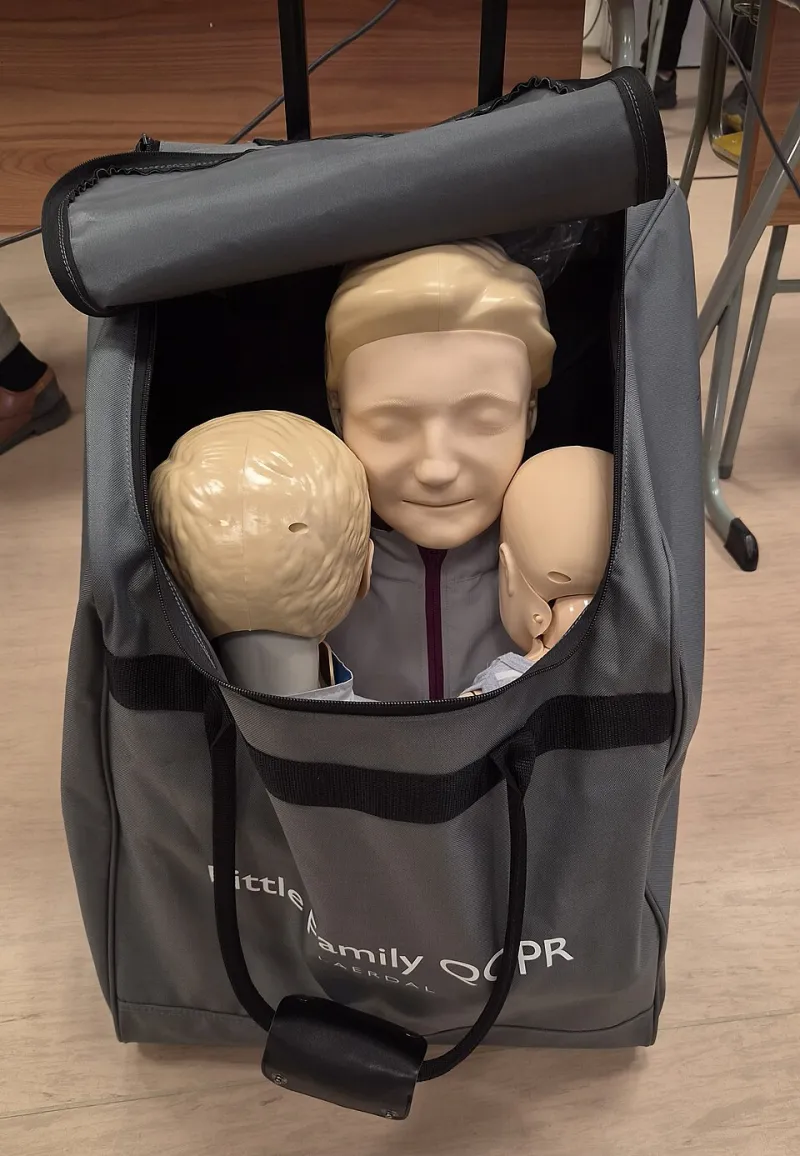
Photo: Minja Klarić, CC BY-SA 4.0, via Wikimedia Commons
Ask any pediatric emergency nurse what makes a nighttime health scare go badly, and the answer is rarely the illness itself. It's the scramble: the thermometer with a dead battery, the unknown dosage for a child who has doubled in weight since the last dosing chart was printed, the debate between urgent care and the ER conducted in pajamas at 3 a.m.
Panic is largely an information problem. The families who navigate midnight scares well are not calmer people — they are prepared ones. Here are the nine preparations that matter most.
1. A One-Page Medical Summary for Every Family Member
One page per person: conditions, allergies, current medications and doses, primary care physician, pharmacy, and insurance member ID. Keep a copy on the refrigerator and a photo of it on your phone. In an emergency room intake, this single page eliminates ten minutes of fog and prevents medication errors.
2. Weight-Based Dosing Charts, Updated Twice a Year
Children's acetaminophen and ibuprofen doses are calculated by weight, and the most common nighttime dosing error is using an outdated figure. Print a current chart from the AAP or your pediatrician, note each child's weight and the corresponding dose, and date it. Recalibrate at every well-child visit.
3. A Reliable Thermometer — and a Written Threshold List
Digital thermometers are adequate; consistency matters more than brand. More important is deciding in advance what the numbers mean for your family: which reading triggers a call to the nurse line, which triggers a same-day appointment, and which — any fever in an infant under three months — means the ER, full stop. Thresholds decided at 2 p.m. are calmer than thresholds decided at 2 a.m.
4. Pre-Loaded Emergency Numbers
Poison Control (1-800-222-1222), your insurance nurse line, your pediatrician's after-hours line, and the two nearest emergency departments. Save them under obvious names. Poison Control in particular is a free, 24/7 national resource that resolves the majority of ingestion scares by phone, sparing families an ER trip entirely.
5. A Written 'Go/No-Go' Rule Sheet
Draft a simple household document: situations that always mean 911 (trouble breathing, unresponsiveness, stroke signs, uncontrolled bleeding), situations that mean urgent care or a same-day call (persistent vomiting, a fever meeting your threshold, a suspected minor fracture), and situations managed at home with monitoring. When you and a partner disagree at midnight, the paper breaks the tie.
6. A Stocked, Inventory-Checked Cabinet
Children's and adult formulations of fever reducers, oral rehydration solution, antihistamine, adhesive bandages, gauze, and saline — with expiration dates checked on a recurring calendar reminder. Half of midnight pharmacy runs exist because something expired unnoticed a year earlier.
7. The Insurance Reality Check
Know your plan's telehealth copay, your urgent care copay, and your ER copay before the scare. An unnecessary midnight ER visit can cost a family $1,000 or more; the same question answered by a nurse line may cost nothing. Cost shouldn't drive clinical decisions — but informed cost awareness, decided calmly, prevents the kind of bill that arrives as a second scare weeks later.
8. One Trusted Symptom-Reference Source
Choose a single reputable reference — the AAP's HealthyChildren.org, your health system's nurse line, or a symptom checker vetted by your pediatrician — and ignore the rest. Late-night open-ended searching reliably escalates anxiety and, per a steady stream of research on cyberchondria, rarely improves the decision.
9. A Morning Follow-Up Habit
Every midnight scare should generate a next-day action: a message to the pediatrician documenting what happened, an appointment if needed, and an update to your notebook. This closes the loop that overnight care leaves open — and it's the difference between a one-time scare and a pattern nobody is tracking.
None of these preparations takes more than an hour. Together, they convert the most disorienting hour of the night into a procedure — and give your family the quiet confidence that comes from having already decided what to do.