Polypharmacy in the Dark: How Undetected Drug Interactions Become Nighttime Emergencies
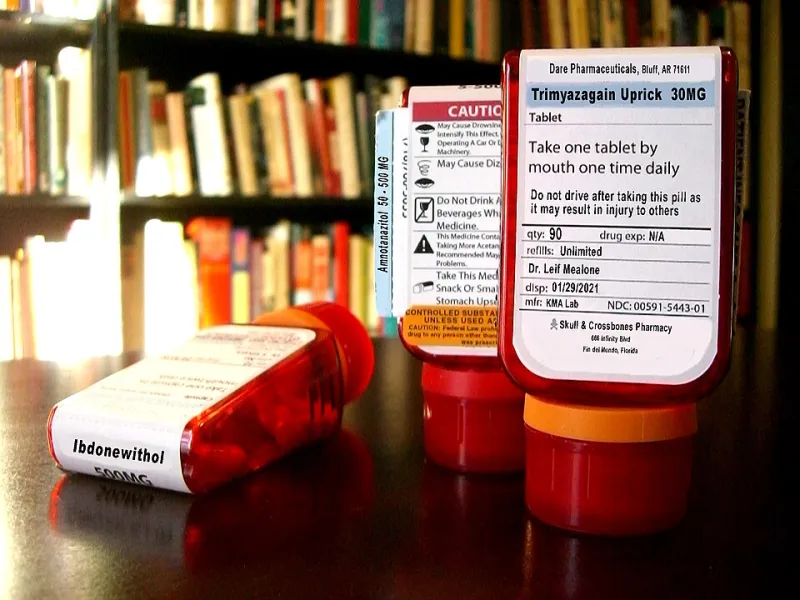
Photo: Betty Wills (Atsme on Wikipedia), CC BY 2.0, via Wikimedia Commons
Every year, adverse drug reactions account for more than 125,000 deaths in the United States and contribute to roughly 700,000 emergency department visits, according to data from the Centers for Disease Control and Prevention. A significant portion of those crises do not stem from a single rogue medication. They emerge quietly, over days or weeks, from the compounding effects of two or more substances taken simultaneously—often by patients who had no idea a conflict existed.
The problem is not carelessness. It is complexity. The average American over the age of 65 takes four or more prescription medications daily. Add a multivitamin, a fish oil capsule, a melatonin tablet, and an occasional ibuprofen for lower back pain, and you have a pharmacological landscape that even trained clinicians can find difficult to navigate. When a health crisis strikes at midnight and the prescribing physician is unavailable, that complexity can become genuinely dangerous.
Why Drug Interactions Are Easier to Miss Than You Think
Drug interactions fall into several broad categories. Pharmacokinetic interactions occur when one substance alters how the body absorbs, distributes, metabolizes, or eliminates another. A well-known example is grapefruit juice, which inhibits an enzyme called CYP3A4 in the intestinal wall, causing certain statins, calcium channel blockers, and immunosuppressants to accumulate in the bloodstream at far higher concentrations than intended.
Pharmacodynamic interactions, by contrast, occur when two substances produce additive or opposing effects on the same physiological system. Taking a sedating antihistamine alongside a prescribed benzodiazepine, for instance, can compound central nervous system depression to a degree that impairs breathing during sleep—a risk most patients would never anticipate from reading an antihistamine label.
Supplements present a particular blind spot. Because dietary supplements are not regulated as rigorously as prescription drugs by the Food and Drug Administration, many Americans assume they are inherently safe to combine with their existing regimens. That assumption is incorrect. St. John's Wort, widely used for mild depression, is one of the most potent inducers of CYP3A4 on the market; it can reduce blood concentrations of antiretroviral drugs, oral contraceptives, and certain anticoagulants to ineffective levels. Vitamin E in high doses can amplify the blood-thinning effects of warfarin. Even magnesium supplements can interfere with the absorption of certain antibiotics and thyroid medications if taken too close together.
Timing Is Not Incidental—It Is Therapeutic
Beyond what you take, when you take it matters considerably more than most patients realize. Many medications are designed to align with the body's circadian rhythms. Statins, for example, are frequently prescribed for evening administration because the liver produces the most cholesterol at night. Taking them in the morning may reduce their effectiveness. Conversely, certain antihypertensive medications can cause excessive blood pressure drops when taken before bed in patients who already experience nocturnal hypotension.
The timing of supplements relative to meals and other medications also carries clinical weight. Iron supplements absorb best on an empty stomach but can cause significant gastrointestinal distress, leading many patients to take them with food—which reduces absorption by as much as 50 percent. Calcium and iron compete for the same intestinal transporters, meaning they should be separated by at least two hours. These are not obscure pharmacology details; they are practical considerations that directly affect whether a medication does its job.
Conducting a Personal Medication Audit
One of the most protective steps any American can take is to conduct a thorough, written inventory of every substance they ingest regularly. This includes prescription medications, OTC drugs, vitamins, herbal supplements, protein powders, and even fortified foods consumed in large quantities.
For each item, record the following:
- Name (both brand and generic where applicable)
- Dose and frequency
- Time of day typically taken
- The prescribing provider, if applicable
- The reason it is being taken
Once compiled, this list should be reviewed by a pharmacist—a healthcare professional whose specialized training in drug interactions is frequently underutilized by the general public. Most major pharmacy chains in the United States offer medication therapy management consultations, and many are available during extended hours. Some operate 24-hour pharmacies where a licensed pharmacist can be reached directly by phone at any time.
This list should also be stored accessibly—photographed on a smartphone, saved in a health app, or kept in a wallet card format—so that it is available to emergency providers even when a patient cannot verbally communicate their medical history.
The After-Hours Communication Challenge
Nighttime emergencies create a specific information gap that significantly elevates the risk of adverse interactions. Emergency department physicians often make rapid treatment decisions without access to a patient's complete medication history, particularly when the patient is disoriented, unconscious, or simply unable to recall every supplement they take. Prescribing a common pain medication to someone already on a monoamine oxidase inhibitor, or administering a contrast dye to a patient taking metformin, can produce serious complications that a complete medication list would have prevented.
Several digital tools exist to address this gap. Apple Health and Google Health Connect both allow users to store medication lists accessible from the lock screen in emergency mode. The MyChart platform, used by many major health systems across the country, maintains a reconciled medication list that can be accessed by connected providers. Patients who use telehealth services—particularly after-hours platforms—should make a habit of uploading or verbally providing their full medication inventory at the start of every virtual visit, even for seemingly unrelated complaints.
Red Flags That Warrant Immediate Attention
Certain symptoms in the context of medication use should prompt an urgent call to a telehealth provider or, in severe cases, a visit to the emergency department without delay:
- Sudden confusion or disorientation in someone who takes multiple CNS-active medications
- Unusual bleeding or bruising in a patient on anticoagulants, aspirin, or NSAIDs
- Severe nausea, vomiting, or muscle pain in a statin user, which may indicate rhabdomyolysis
- Palpitations or irregular heartbeat following the addition of any new medication or supplement
- Difficulty breathing or pronounced drowsiness after combining sedating substances
None of these symptoms should be attributed to coincidence before a medication interaction has been ruled out.
Making Medication Safety a Continuous Practice
The most effective protection against drug interactions is not a one-time audit but an ongoing habit of disclosure. Every time a new medication or supplement is added to a regimen—by any provider, or by self-selection at a pharmacy—the full existing list should be reviewed for potential conflicts. This is particularly important following hospitalizations, when new drugs are frequently introduced to a regimen without comprehensive reconciliation of what the patient was already taking at home.
Healthcare 24Hrs encourages readers to treat their medication list as a living document, updated with every change and shared with every provider they consult—whether that consultation happens at 9 AM in a physician's office or at 2 AM through a telehealth platform. The information is always relevant. The risk is always present. And the tools to manage it are available at any hour.