Four A.M. Aisles: A Field Guide to What the All-Night Pharmacy Can and Cannot Do for You
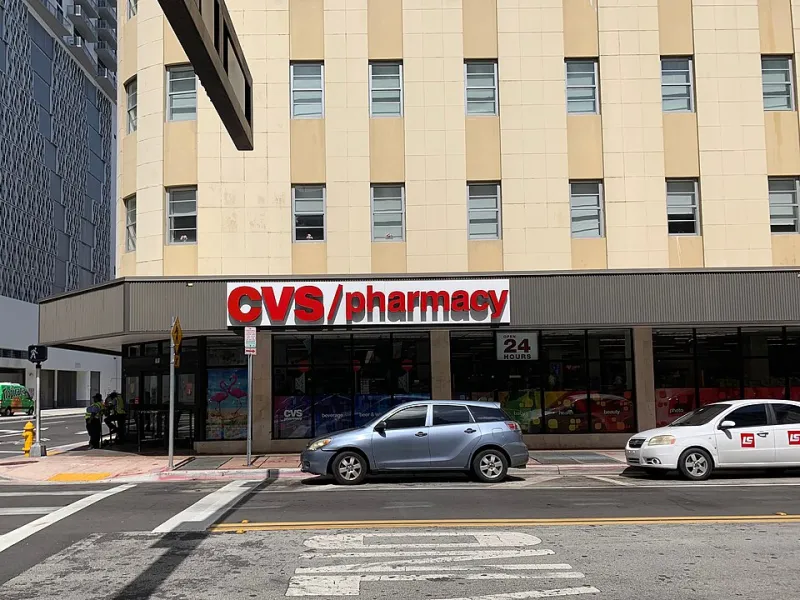
Photo: Phillip Pessar, CC BY 2.0, via Wikimedia Commons
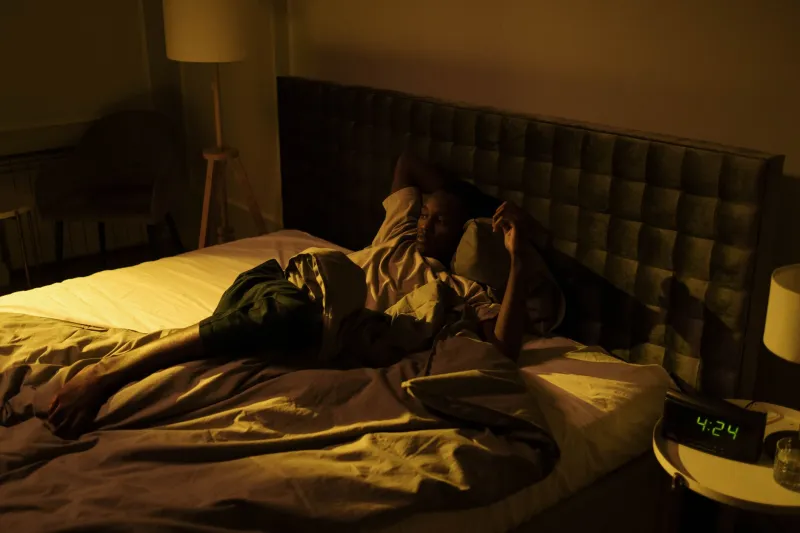
The fluorescent lights of a 24-hour pharmacy at 4 a.m. have a particular quality: flat, unflinching, and oddly reassuring. For the estimated 30 million Americans who work nontraditional hours, for parents with a feverish child, and for travelers whose routines have collapsed mid-trip, the all-night drugstore is often the only healthcare facility still open.
But an overnight pharmacy is not an urgent care clinic, and it is certainly not an emergency room. Knowing the boundary between the two — before you need to know it — can save you hours of waiting, hundreds of dollars, and in rare cases, your life.
What the Shelves Can Actually Handle
Walk down any late-night aisle and you'll find legitimate solutions for a narrow band of problems:
- Acute, minor complaints. Heartburn flaring after a late shift meal, a tension headache, seasonal allergy symptoms, mild constipation, or a small cut that needs cleaning and covering. These are the bread-and-butter of OTC medicine, and the labels are written for exactly this use.
- Medication continuity emergencies. Perhaps the most valuable service at 4 a.m. isn't an aisle at all — it's the pharmacist. Many states allow emergency supplies of certain maintenance medications (insulin, inhalers, blood pressure drugs) at the pharmacist's discretion when your refill is days away and your doctor's office is closed. Call ahead; policies vary by state and chain.
- Device and supply needs. Thermometers, blood glucose test strips, pregnancy tests, and blood pressure cuffs — the diagnostic tools of home triage.
What the shelves cannot do is diagnose anything. A decongestant relieves a symptom; it does nothing for the pneumonia behind it.
The Overnight Pharmacist: The Most Underused Clinician in America
Every licensed pharmacist on a night shift completed a Doctor of Pharmacy program and passed national board exams — the same credentials as the pharmacist who fills your prescriptions at noon. Overnight, however, they have more time to talk.
"The 2 a.m. questions are usually the ones people are embarrassed to call their doctor about," one Texas-based night-shift pharmacist told us, describing requests ranging from accidental double-dosing to a toddler who swallowed a grandparent's pill. "My job at that hour is often just to say, 'You're okay, here's what to watch for' — or to say, 'Stop, go to the ER now.'"
Use that expertise. Ask the pharmacist directly: Is this the right product for my situation? Does it interact with my prescriptions? What symptom should make me seek care tonight?
Red Flags That Should Send You Past the Pharmacy
There are symptoms no aisle can fix. If you or a family member experiences any of the following, go to an emergency department — do not attempt self-treatment first:
- Chest pain or pressure, especially with sweating, nausea, or arm pain
- Sudden weakness on one side, facial droop, or slurred speech
- Difficulty breathing that isn't relieved by a rescue inhaler
- Severe abdominal pain, or vomiting blood
- A fever above 104°F, or any fever in an infant under three months
- Signs of anaphylaxis after a food, medication, or sting
- Any suspected overdose or poisoning — call Poison Control first at 1-800-222-1222
A responsible overnight pharmacist will refuse the sale and direct you to emergency care. If one ever doesn't, the refusal to self-diagnose is still yours to make.
The 4 A.M. Pharmacy Checklist
Print this and keep it in your medicine cabinet or glove compartment:
Before you go:
- Know the exact symptom, when it started, and what you've already taken
- Bring your current medication list (or a phone photo of your bottles)
- For children, know their current weight in pounds
At the pharmacy, ask the pharmacist:
- Is this the right ingredient and dose for this situation?
- Does it interact with anything I already take?
- What should make me go to the ER tonight?
Skip the trip entirely and call 911 if:
- Symptoms involve chest, breathing, stroke signs, or uncontrolled bleeding
The all-night pharmacy is a remarkable American resource — but it works best when you treat it as what it is: a first-aid station staffed by clinicians, not a diagnostic clinic. Save it for the problems it was built to solve, and it will serve you well for years of middle-of-the-night moments to come.