When the Clock Works Against You: The Biological Peak Hours for Life-Threatening Emergencies
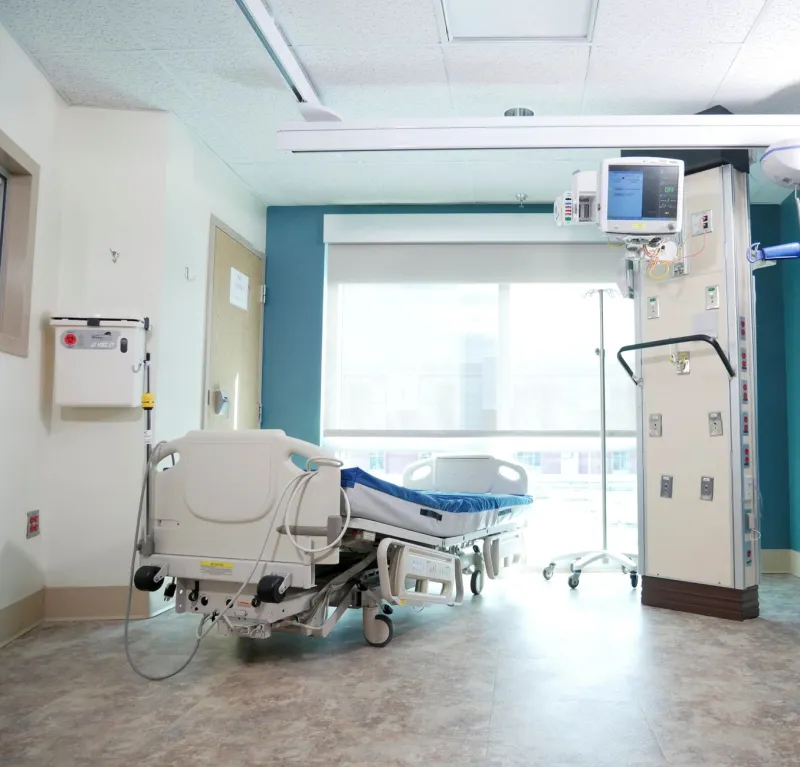
There is an uncomfortable truth embedded in decades of cardiovascular and neurological research: the human body does not schedule its crises around physician availability. Certain acute medical emergencies are statistically most likely to occur in the early morning hours, on weekends, and during federal holidays — the very windows when hospital staffing is leaner, specialist response times are longer, and your primary care physician is almost certainly not at their desk. This is not a coincidence rooted in bad luck. It is biology, and understanding it may save your life.
The Early Morning Surge: What the Data Actually Shows
Cardiovascular researchers have documented for years what is known as the "morning surge" in cardiac events. Heart attacks, sudden cardiac death, and ischemic strokes all occur with disproportionate frequency between approximately 6:00 a.m. and noon. The underlying mechanisms are well established. During the transition from sleep to wakefulness, the body releases a cascade of stress hormones, including cortisol and catecholamines, that cause blood pressure and heart rate to rise sharply. Blood platelets — the clotting agents in your bloodstream — become more adhesive during this window, and the blood itself tends toward greater viscosity after hours of relative stillness during sleep.
For individuals with pre-existing coronary artery disease, hypertension, or arterial plaque, this morning physiological shift represents a period of elevated mechanical stress on vulnerable vessels. The result is a measurable statistical spike in adverse cardiovascular events that has been replicated across multiple large population studies.
Severely, this morning window overlaps substantially with the tail end of overnight hospital shifts, a period when fatigue among on-call staff is at its highest and specialist teams are transitioning between coverage rotations.
Why Weekends and Holidays Compound the Risk
Beyond the daily circadian pattern, a separate but related phenomenon affects emergency outcomes on a weekly and annual basis. Multiple studies published in peer-reviewed journals, including analyses of Medicare and hospital discharge data across the United States, have found that patients admitted to hospitals on weekends for conditions such as acute ischemic stroke, pulmonary embolism, and ruptured aortic aneurysm face measurably worse outcomes compared to those admitted on weekdays. This disparity — sometimes referred to as the "weekend effect" — is attributed to reduced specialist availability, slower access to advanced imaging and interventional procedures, and thinner staffing across diagnostic and surgical departments.
The same dynamic applies to major federal holidays. Emergency departments remain operational around the clock, but the broader ecosystem of specialist consultation, elective imaging, and procedural intervention contracts significantly during these periods.
Severe Allergic Reactions: A Separate but Equally Urgent Pattern
Anaphylaxis — the rapid, systemic allergic response that can compromise the airway and cardiovascular system within minutes — does not follow a circadian pattern in the same way cardiovascular events do. However, it presents its own off-hours challenge. Allergic reactions triggered by food, insect stings, or medications can occur at any hour, and when they occur at night or on a weekend, the path to epinephrine, airway management, and observation in a monitored setting is often longer and more complicated.
Unlike a slowly developing chest discomfort that might allow time for deliberation, anaphylaxis can escalate from mild urticaria to cardiovascular collapse within fifteen to thirty minutes. The off-hours gap between symptom onset and definitive care is, in this context, particularly unforgiving.
Recognizing True Urgency: A Practical Framework
One of the most consequential skills any adult in the United States can develop is the ability to distinguish a genuine acute emergency from an anxiety-driven false alarm — particularly at 2:00 a.m. when both tend to feel identical. The following framework is not a substitute for professional medical evaluation, but it can help orient your decision-making in critical moments.
For potential cardiac events: The classic presentation of a heart attack includes chest pressure or tightness, pain radiating to the left arm, jaw, or back, shortness of breath, and diaphoresis (cold sweating). Women, diabetic individuals, and older adults frequently experience atypical presentations, including nausea, fatigue, or upper abdominal discomfort without chest pain. If any combination of these symptoms arises, particularly in a person with known risk factors, the appropriate response is to call 911 immediately — not to wait and see, not to drive yourself, and not to consult a telehealth provider as a first step.
For potential stroke: The FAST acronym — Face drooping, Arm weakness, Speech difficulty, Time to call 911 — remains one of the most validated rapid assessment tools available to the general public. Stroke treatment with thrombolytic therapy is time-dependent, with outcome quality declining sharply after the first few hours. There is no after-hours equivalent to the emergency stroke team; the emergency department is the only appropriate destination.
For anaphylaxis: If you or someone in your household has a known severe allergy and carries prescribed epinephrine, use it at the first sign of a systemic reaction and call 911 immediately afterward. Epinephrine buys time; it does not replace emergency evaluation and monitoring.
Proactive Steps You Can Take Right Now
Awareness of these high-risk biological windows is only valuable if it translates into concrete preparedness. Several measures are within reach for most American households.
Know your baseline risk. Individuals with hypertension, high cholesterol, diabetes, a smoking history, or a family history of early cardiovascular disease carry a higher probability of experiencing a cardiac event during the morning surge. Discuss your personal risk profile with your physician and ensure your medications, if any, are optimized for this window.
Time-sensitive medications matter. Some patients at elevated cardiovascular risk are advised by their physicians to take aspirin or antihypertensive medications at specific times of day to blunt the morning surge. This is a clinical conversation worth initiating if you have not already.
Maintain an updated emergency information profile. Telehealth platforms available through Healthcare 24Hrs and similar services can provide immediate triage guidance and help you determine whether your symptoms warrant a 911 call, an emergency department visit, or a monitored watch-and-wait approach. Having your medical history, current medications, and known allergies documented and accessible accelerates that triage process significantly.
Equip your household appropriately. If a household member has a documented severe allergy, ensure that at least two epinephrine auto-injectors are available and that every adult in the home knows how to use them. If a household member has a cardiac history, discuss with their cardiologist whether a home automated external defibrillator (AED) is appropriate.
Do not underestimate the value of 911. In a genuine emergency, paramedics arriving at your door represent the beginning of hospital-level care, not a waiting room. Advanced life support units carry defibrillators, cardiac monitoring equipment, and medications. The ambulance is not merely transportation.
The Role of Around-the-Clock Healthcare Access
While no telehealth service can replicate the capabilities of an emergency department, 24-hour access to licensed medical providers serves a critical function in the off-hours landscape: helping patients make faster, better-informed decisions about when to escalate care. The ability to describe your symptoms to a qualified clinician at 3:00 a.m. and receive a real-time assessment of urgency can be the difference between a patient who waits too long and one who arrives at the emergency department within the intervention window.
The goal of around-the-clock healthcare resources is not to replace emergency services. It is to ensure that at no hour of the day or night are you navigating a potential crisis entirely alone, without informed guidance.
Closing Thoughts
The convergence of biological vulnerability and reduced specialist availability is not a flaw in the healthcare system that will be easily engineered away. It is, in part, a consequence of human physiology operating on its own schedule. What can change is individual preparedness — the knowledge of when your body is most at risk, the ability to recognize the warning signs that demand immediate action, and the resources to access qualified guidance at any hour. That combination will not eliminate the midnight paradox, but it meaningfully narrows the gap.