Behind the Headset at 2 A.M.: Who Is Really Answering When You Call the After-Hours Health Line
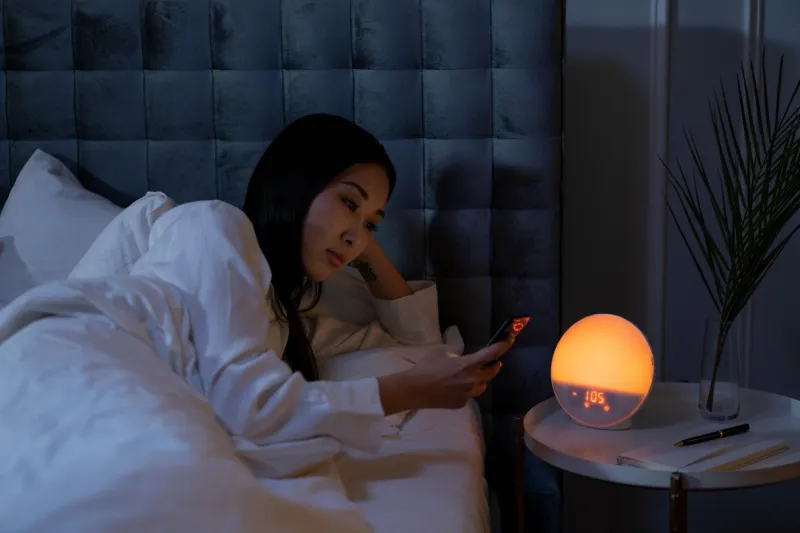
There is a particular anxiety that comes from dialing a health hotline in the small hours: the ringing, the hold music, and then a calm voice asking for your date of birth. Who is that voice? What do they know? And what happens in the seconds after they decide whether your symptom is routine or an emergency?
For patients managing chronic illness, postpartum anxiety, or health-related worry that reliably peaks after midnight, the answer matters — not just clinically, but emotionally. Reassurance from a qualified professional is one of the most powerful antidotes to nighttime health panic. Reassurance from an unqualified one can deepen it.
The People: Registered Nurses, Protocols, and Real Limits
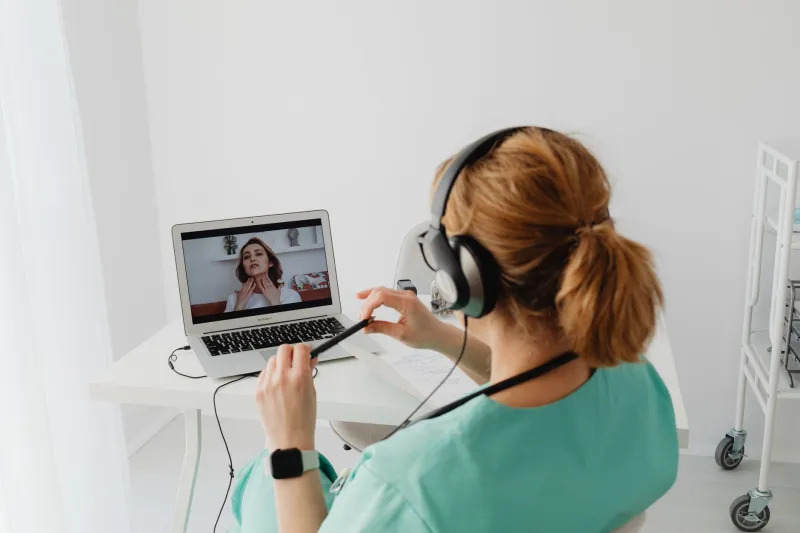
The backbone of most American after-hours advice lines is the registered nurse. These are not call-center agents with a script; they hold the same licensure as any hospital RN, typically with several years of clinical experience — often in emergency, pediatric, or labor-and-delivery nursing — before moving to phone triage.
Their work is governed by standardized triage protocols, most commonly versions of the Schmitt-Thompson guidelines, which map thousands of symptom combinations to dispositions ranging from 'call 911' to 'home care.' The protocol is a safety net, not a replacement for judgment. Good triage nurses deviate upward — escalating when their instinct says the protocol answer feels too calm.
What they cannot do is examine you. No phone nurse can palpate an abdomen, listen to lungs, or see a rash's texture. Their accuracy depends heavily on the accuracy of what you report, which is one more reason to describe symptoms concretely rather than minimize them.
The Software: Triage Algorithms and Their Growing Role
Increasingly, the first 'clinician' you encounter isn't a person at all. Symptom-checker apps and AI-driven intake tools now sit at the front door of many health systems' after-hours services, sorting patients before a human ever picks up.
These tools are calibrated to be conservative — they would rather over-refer to the ER than under-refer. That's the right bias for safety, but it means the algorithm may send you to an emergency department for something a nurse would have reassured you about in ninety seconds. Treat AI triage output as a floor, not a ceiling: it can tell you when to escalate, but it cannot talk you down from worry the way an experienced human can.
When the System Gets It Wrong
Malpractice cases involving after-hours triage are rare but real, and they follow a pattern: a caller under-describes a symptom, the protocol's questions don't surface it, and a serious condition is sent home with a morning appointment. Health systems respond with recorded calls, physician oversight, and quality audits — but the practical lesson for patients is simpler. When you call:
- State your worst symptom plainly, not your most likely explanation for it
- Mention anything unusual, even if it seems unrelated
- If the advice doesn't sit right with you, say so — you can ask for the call to be escalated to the on-call physician
How to Vet Your Line Before You Need It
Peace of mind at 2 a.m. is largely built at 2 p.m. Take fifteen minutes this week to:
- Save your insurance plan's nurse line number in your phone
- Confirm whether your health system offers after-hours telehealth and how it's staffed (nurse triage, physician on call, or both)
- Bookmark Poison Control (1-800-222-1222) — it is free, staffed by pharmacists and nurses 24/7, and covers the entire United States
- Note your nearest emergency department and urgent care, and know which one your plan covers
The voice on the other end of an overnight line is, in the overwhelming majority of cases, a trained professional following a rigorous system. Knowing that — and knowing its limits — turns a 2 a.m. call from an act of desperation into a calm, informed consultation.