Alone in the Dark: The Science Behind Why Nighttime Makes Every Symptom Feel Like an Emergency
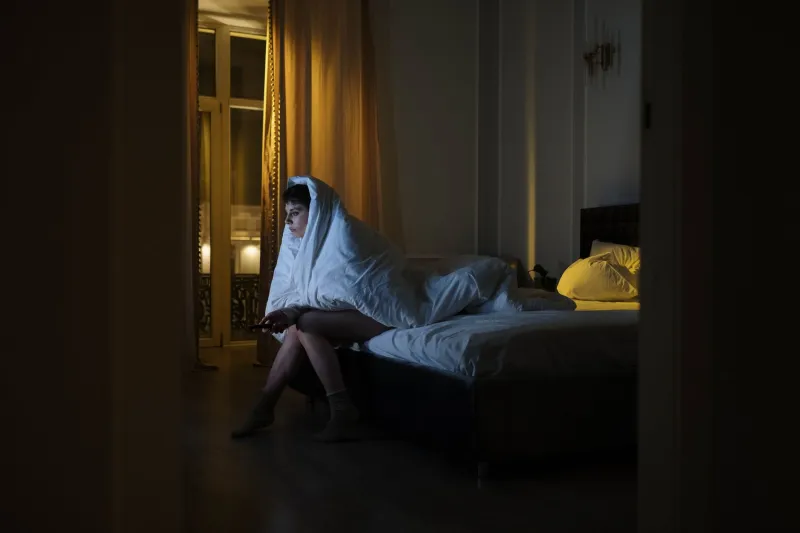
You were fine at dinner. You watched television, brushed your teeth, and climbed into bed without a second thought about your health. Then, somewhere around 2 AM, it started — a dull ache in your chest, a shortness of breath that seems just slightly off, a headache that wasn't there an hour ago. By 3 AM, you are convinced something is seriously wrong.
This experience is so common in the United States that emergency departments see predictable overnight surges of patients whose symptoms, by morning, have either resolved or proven far less alarming than they seemed in the dark. The question that matters — both for your wellbeing and for rational use of healthcare resources — is this: are things actually worse at night, or does nighttime simply make them feel that way?
The honest answer is both. And understanding why can change the way you respond to your body after midnight.
Your Body Runs on a Clock You Cannot Override
Human physiology is governed by a circadian rhythm — a roughly 24-hour internal cycle that regulates everything from hormone secretion to immune response to pain sensitivity. This biological clock does not pause when you want it to, and its nighttime settings are not always comfortable.
Cortisol, often called the body's natural anti-inflammatory hormone, follows a well-documented daily arc. Levels peak in the early morning hours — typically around 6 to 8 AM — and fall steadily throughout the day, reaching their lowest point between midnight and 4 AM. This nocturnal cortisol trough has real physiological consequences. Inflammatory conditions such as asthma, rheumatoid arthritis, and even acid reflux are measurably worse during this window, not because your imagination is overactive, but because the hormonal buffer that suppresses inflammation during waking hours has quietly withdrawn.
Body temperature also drops at night, which can trigger airway constriction in individuals prone to respiratory symptoms. Blood pressure fluctuates. Gastric acid production increases in the supine position. Pain perception thresholds — the point at which your nervous system registers discomfort — are demonstrably lower during nighttime hours, meaning a sensation that would barely register at noon may feel sharp and alarming at 2 AM.
These are not minor variables. They represent genuine, measurable shifts in how your body functions, and they explain why many chronic conditions reliably flare after dark.
The Amplifying Effect of Silence
Physiology aside, the psychological architecture of nighttime profoundly shapes how you interpret physical sensations. During the day, your attention is distributed across dozens of competing inputs — conversations, work tasks, traffic, meals, screens. This cognitive noise acts as a natural buffer, drawing your focus outward and away from internal bodily cues.
At night, that buffer disappears. The house is silent. Your phone is face-down. There is nothing to attend to except the rhythm of your own breathing and the interior landscape of your body. Neuroscientists refer to this as interoceptive amplification — the tendency for the brain to magnify internal signals when external stimulation is reduced. In practical terms, a heartbeat you never notice during the day becomes thunderous at midnight. A twinge in your side that you would have shrugged off after lunch feels impossible to ignore at 3 AM.
This is not a character flaw or an overreaction. It is a predictable feature of human neurology, and it affects virtually everyone to some degree.
Isolation and the Anxiety Feedback Loop
Layered on top of circadian biology and interoceptive amplification is something arguably more powerful: the emotional reality of being alone with uncertainty.
During daylight hours, you have options. You can call your primary care physician, walk into an urgent care clinic, or simply consult a trusted friend who might say, "That sounds like the same thing I had last month — you'll be fine." At 2 AM, those options feel foreclosed. The resulting sense of isolation activates the brain's threat-detection systems, which in turn elevates heart rate, tightens the chest, and sharpens the very symptoms you were already worried about.
This is the nocturnal anxiety feedback loop, and it is clinically significant. Anxiety does not merely make symptoms feel worse — it produces genuine physiological changes that can mimic or worsen the conditions you fear. A person anxious about their heart rate will experience an elevated heart rate. A person worried about breathing will begin to breathe shallowly and rapidly, producing the very breathlessness that alarmed them in the first place.
Recognizing this loop does not mean dismissing your symptoms. It means understanding that the emotional context of nighttime is itself a variable in how your body presents.
Practical Frameworks for Smarter Nighttime Decisions
So how do you sort genuine medical urgency from nocturnal magnification when you are exhausted, isolated, and already anxious? Evidence-based guidance offers several useful anchors.
Apply the change-from-baseline test. Ask yourself: is this symptom new, or is it a familiar sensation that feels more intense tonight? Symptoms that are genuinely new — particularly chest pain with radiation to the arm or jaw, sudden severe headache unlike any prior headache, difficulty speaking, or one-sided weakness — warrant immediate emergency care regardless of the hour. Familiar symptoms that have simply intensified overnight are more likely candidates for the circadian and psychological factors described above.
Use structured breathing to interrupt the feedback loop. Slow, diaphragmatic breathing — inhaling for four counts, holding for four, exhaling for six — activates the parasympathetic nervous system and measurably reduces the anxiety response within minutes. If your symptoms soften as your anxiety decreases, that is meaningful clinical information.
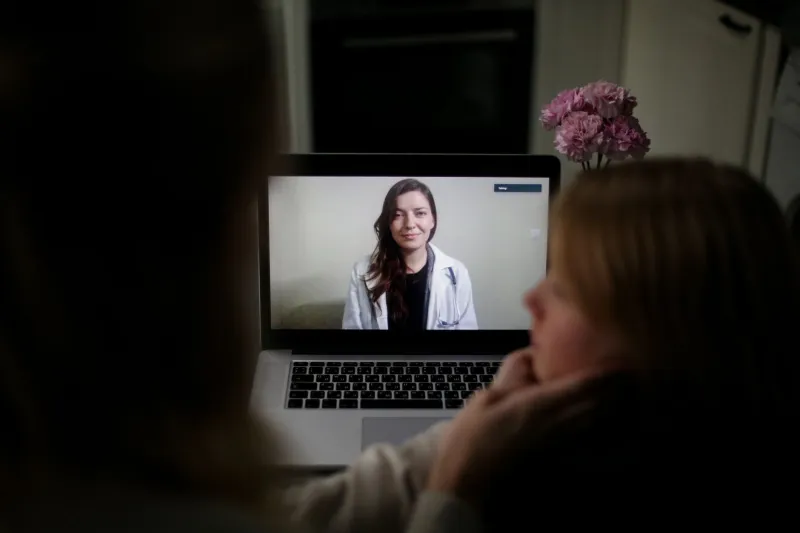
Leverage telemedicine before defaulting to the ER. Telehealth platforms staffed by licensed physicians and nurse practitioners are available around the clock, every day of the year. A board-certified provider can assess your symptoms in real time, order tests if warranted, and help you determine whether your situation requires an emergency department visit or can safely wait until morning. This option is underused by American patients who assume their only nighttime choices are suffering in silence or driving to the nearest ER.
Maintain a symptom log. If you experience recurring overnight symptoms, tracking them — time of onset, duration, associated sensations, what relieves them — gives your primary care physician invaluable data. Patterns that seem random in the moment often reveal clear chronobiological signatures on paper.
Know your red lines in advance. The worst time to decide what constitutes an emergency is at 3 AM when you are already frightened. Work with your physician during a routine appointment to establish a personalized list of symptoms that should prompt immediate emergency care versus those that can be managed with telehealth or a morning call. Having that list written down and accessible changes the emotional calculus of a nighttime health scare significantly.
The Takeaway
Nighttime does not invent symptoms. But it does amplify them — through measurable hormonal shifts, reduced pain thresholds, sensory isolation, and the anxiety that comes with being alone and uncertain in the dark. Understanding these mechanisms is not an invitation to dismiss what your body is telling you. It is an invitation to listen more accurately.
At Healthcare 24Hrs, our position is straightforward: you should never feel alone with a health concern, regardless of the hour. Whether you need immediate emergency guidance or simply a knowledgeable voice to help you think through what you are experiencing, round-the-clock resources exist to serve you. The midnight doctor's dilemma — that paralysis between panic and passivity — becomes far more manageable when you understand both the science behind your symptoms and the options available to address them.